
Net zero is no longer just a long-term ambition, it’s a practical consideration shaping decisions across every stage of a building’s lifecycle. Below, our Marketing Manager, Alan Carter, explains what net zero means for your lighting projects.

Moving Beyond Targets
Sustainability targets are important, but they only have value when they drive meaningful change.
At Designplan, we’ve already set out our commitment to achieving net zero emissions by 2045. But what matters most to our customers is how that commitment translates into real-world outcomes for their projects.
Across our business, we’re focused on reducing carbon in three key areas:
- How we manufacture
- How we power our operations
- How our products perform over their lifetime
This joined-up approach ensures we’re not only lowering our own footprint but also helping our customers reduce theirs.
Designing Out Carbon from the Start
The greatest opportunity to cut emissions lies in the design of the product itself. Our luminaires are developed with longevity in mind, using:
- Energy-efficient LED technology
- Replaceable components to extend product life
- Smart controls that optimise energy use
For customers, this means lower operational energy consumption and lighting systems that are built to evolve, not be replaced.
The Power of Retrofit
One of the most effective ways to reduce carbon isn’t starting from scratch, it’s making better use of what already exists.
By upgrading existing fittings with LED gear trays, it’s possible to significantly cut both energy use and embodied carbon without the disruption of a full replacement.
Projects like Birmingham New Street Station demonstrate how retrofit solutions can deliver major savings while extending the life of installed infrastructure.
Tackling Embodied Carbon
As buildings become more energy efficient, embodied carbon is becoming an increasingly important part of the overall footprint. We’re addressing this by:
- Increasing recycled content in key materials
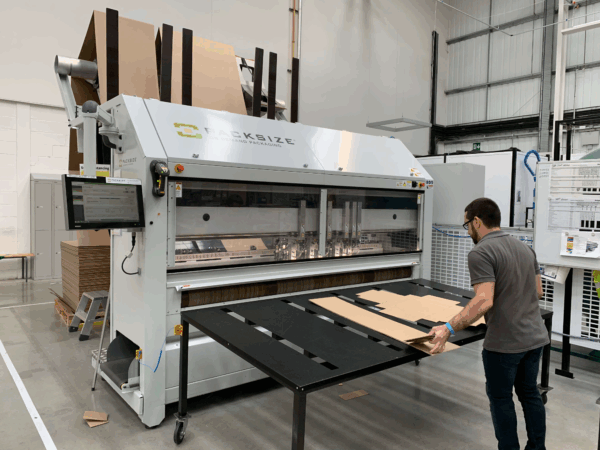
- Reducing unnecessary packaging
- Working with suppliers to minimise material miles
These steps help ensure that sustainability is built into every stage of the product lifecycle — not just during use.
Smarter Energy Use in Practice
Alongside product design, we’re also improving how energy is used across our operations.
Through renewable energy generation, more efficient processes, and smarter use of resources, we’re actively reducing emissions while improving overall efficiency.
Just as importantly, we apply the same thinking to our lighting systems using lighting controls and connectivity to reduce energy consumption in real-world applications.
What This Means for You
For our customers, net zero isn’t just about compliance, it’s about making smarter, more future-proof decisions. By focusing on efficient design, retrofit solutions, and lifecycle performance, we help you to:
- Reduce operational costs
- Lower whole-life carbon
- Align with evolving sustainability standard
Looking Ahead
Achieving net zero is not a single milestone, it’s an ongoing process of improvement, innovation, and collaboration.
While our 2045 target provides a clear direction, the real progress is happening now: in the products we design, the partnerships we build, and the projects we deliver every day.
Sustainable Lighting Guide
This guide identifies our commitment and goals, our circular design principles, our carbon footprint reduction initiatives and the ways we are “being green”. To download your copy click on the button below.


