
Exterior lighting design is undergoing a significant transformation, driven by the need for sustainability, compliance, and environmental responsibility. A key principle now widely recognised is ensuring that no light is emitted above the horizontal plane. This approach minimises light pollution, protects ecosystems, and enhances visual comfort without compromising safety. Supported by guidance such as ILP GN01/21, it reflects best practice in delivering the right light, at the right time, in the right place. At Designplan, we integrate these principles into every project, ensuring lighting solutions that combine precision, efficiency, and environmental care.

Protecting Our Night Environment
Sky glow, glare, light spill and light intrusion are all forms of obtrusive light that can negatively affect people, wildlife and neighbouring areas. GN01/21 reinforces the principle of “the right light, at the right time, in the right place” to ensure lighting supports the task without causing nuisance or wasting energy. Thoughtful, downward‑directed lighting helps preserve natural darkness while ensuring compliance with modern lighting standards.
Stations of the Future: Precision over Power
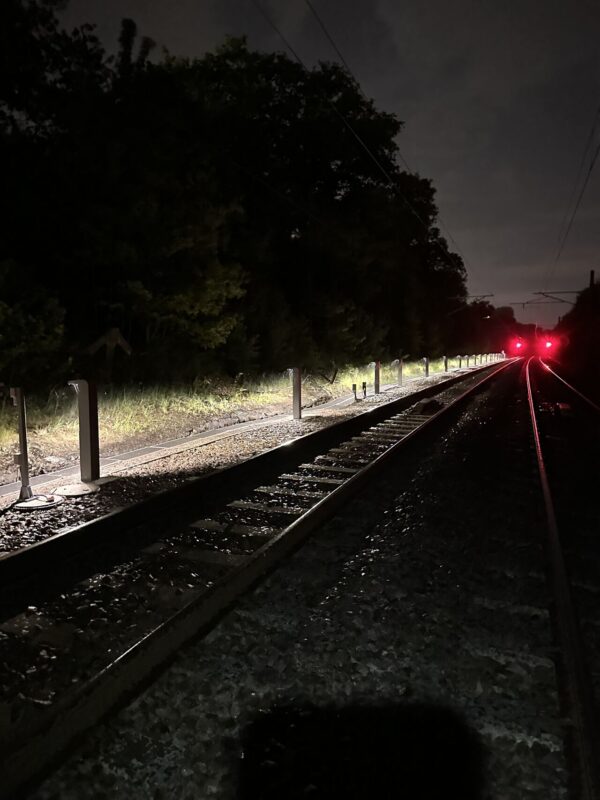
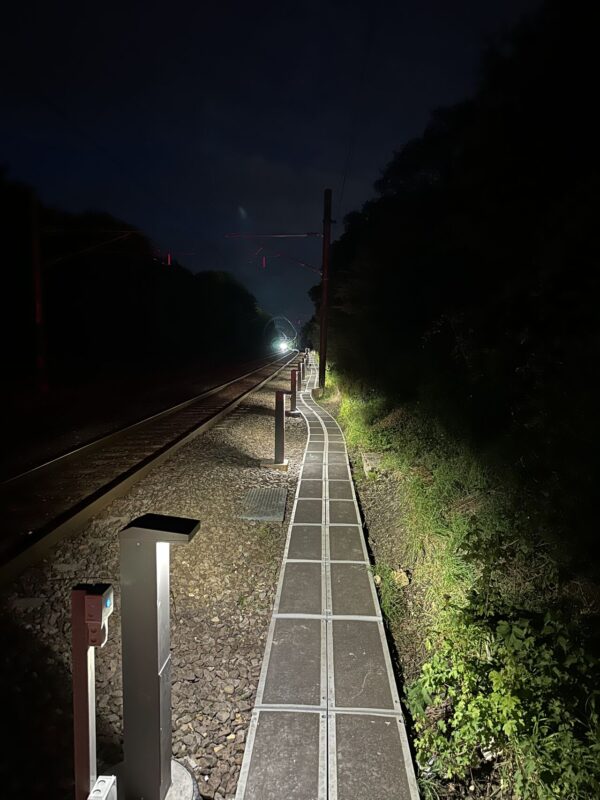
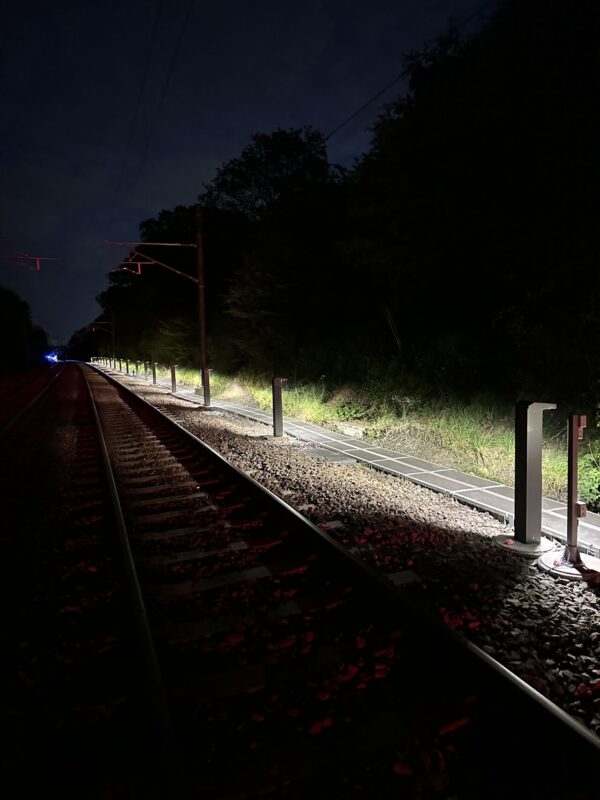
Rail platforms are a great example of where this design philosophy really matters. Lighting needs to be precise, ensuring passenger safety and visibility without distracting or dazzling train drivers. Yet many platforms still use standard street lights, which are designed for roads and general amenity spaces rather than rail environments. This often leads to:
• Glare
• Excessive light spill
• Inefficient energy use
• Poor uniformity along the platform
The ILP guidance notes that careful selection of luminaires, correct mounting heights, and controlled optical distributions are essential to avoid these issues and minimise obtrusive light.
Smarter Lighting: Wider Spacing, Lower Energy
When optics are well‑controlled and light is put exactly where it’s needed, you can space luminaires further apart while still meeting the required light levels. This means:
• Fewer columns
• Reduced energy consumption
• Lower maintenance costs
• Less visual clutter
GN01/21 explains that well‑designed asymmetric optics and well‑aligned luminaires can significantly reduce spill light and glare, improving efficiency and visual comfort. Wider spacing becomes achievable because light isn’t wasted above the horizontal or outside the task area.
Lighting That Works With, Not Against, the Environment
Directing light downward doesn’t just reduce sky glow, it improves efficiency, reduces running costs and supports a more comfortable, visually appealing environment. In rural or low‑ambient‑light areas especially, minimising glare and spill is crucial to protecting the night sky and maintaining good visibility.


