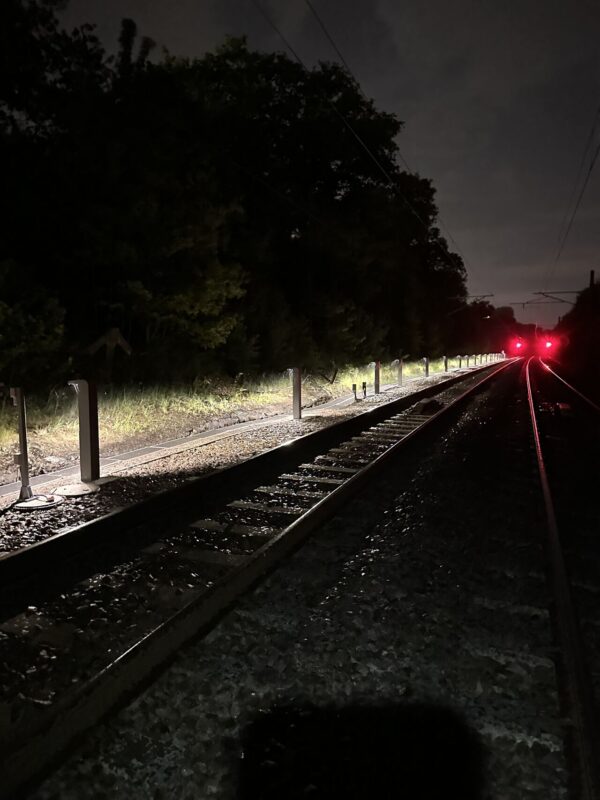
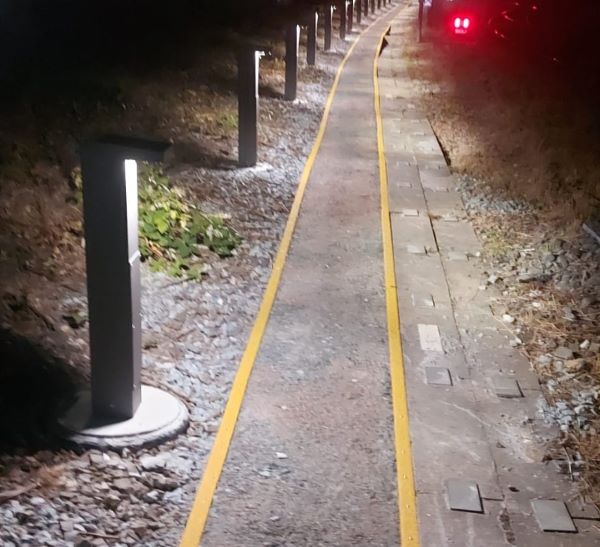
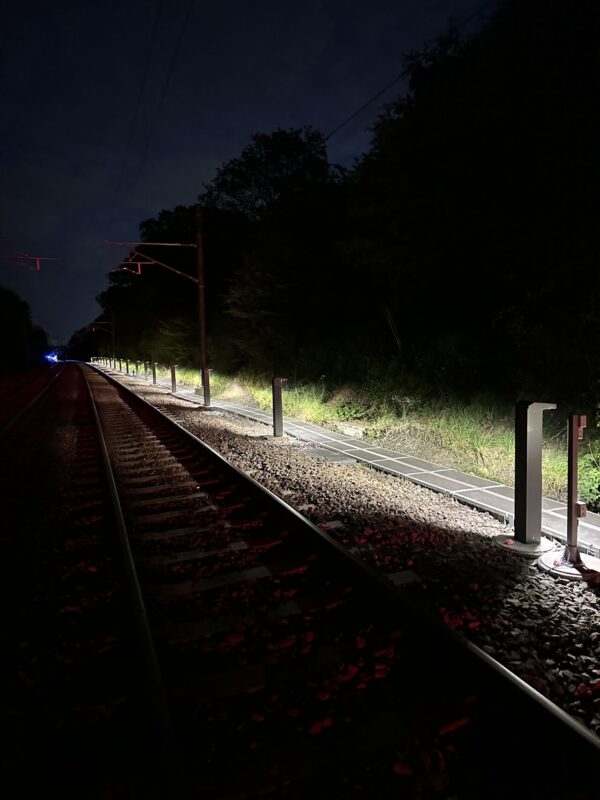
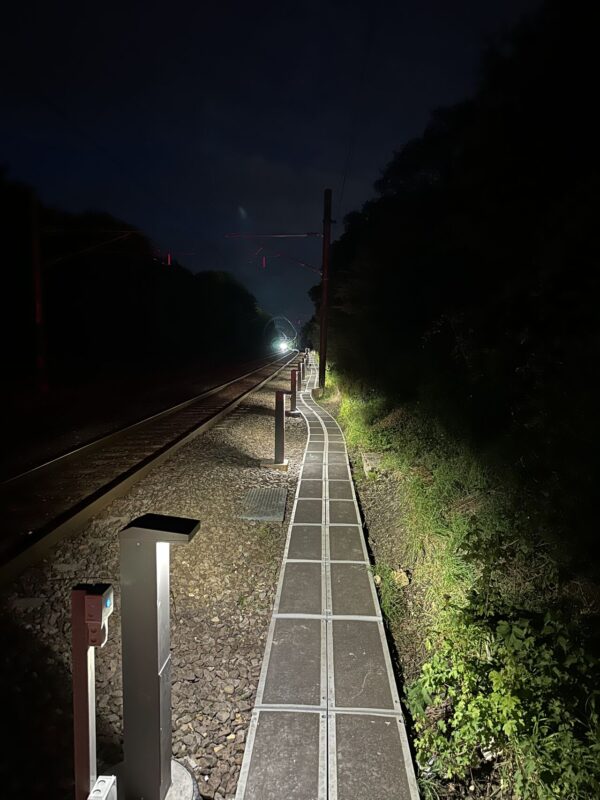
Railway walkways, sidings, and stabling areas support daily train access and maintenance work. These narrow paths must give teams clear, uninterrupted access along the full length of a train. Because visibility drops quickly in low‑light conditions, strong and well‑directed lighting is essential. This helps staff move safely between carriages while reducing unwanted glare for nearby homes and wildlife.
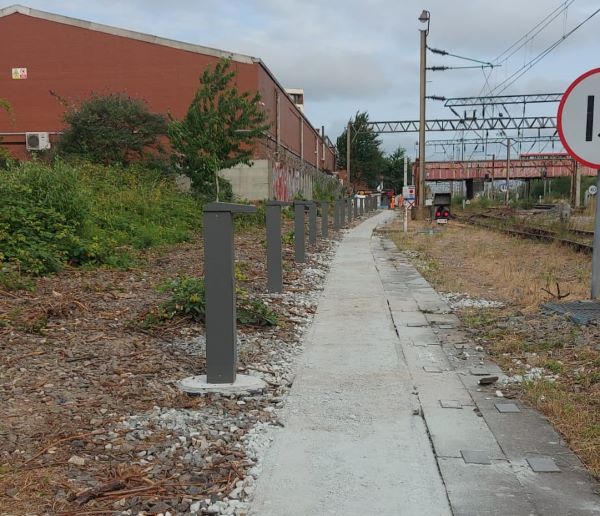
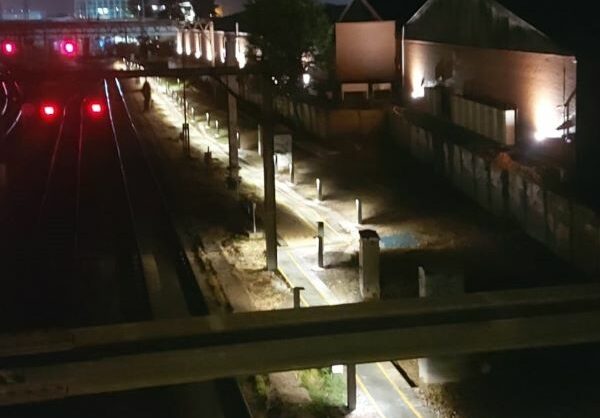
Importance of Well-Lit Walkways
Electrical Safety Near High-Voltage Equipment
Because walkways are close to high-voltage lines and third rails, lighting must meet strict safety standards. If equipment isn’t properly protected, it could risk the safety of the crew or the tracks. Therefore, we rigorously test our fixtures to ensure they work safely in high-voltage areas. Our designs provide a reliable solution that adds no extra risk to maintenance teams or the wider rail system.
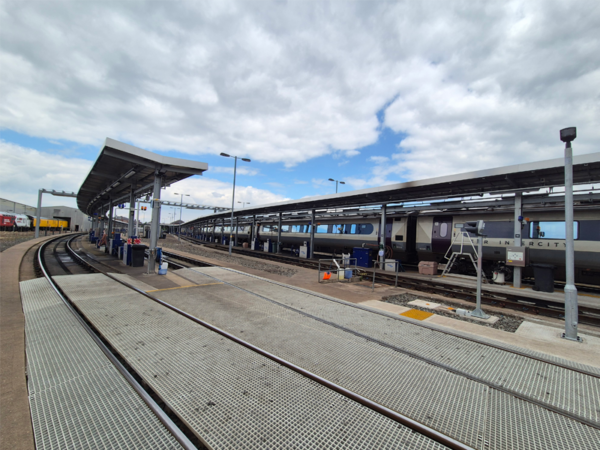
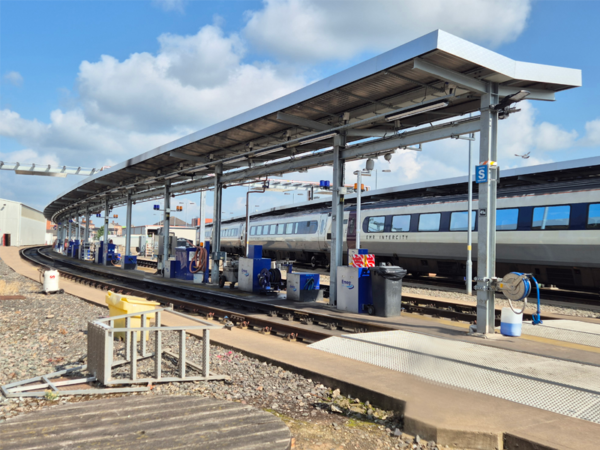
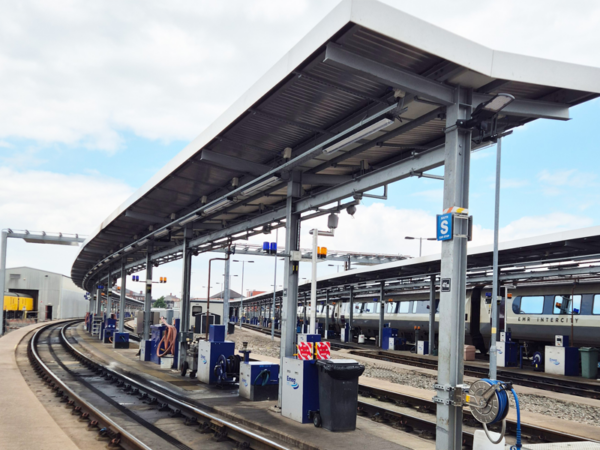
Enhanced Lighting for Sidings Used in Cleaning and Maintenance
Effective lighting is even more critical in sidings used for cleaning or maintenance. Since these tracks often hold machinery and heavy equipment, they need clear illumination to prevent accidents. This is especially important where trip hazards, like uneven ground or loose cables, exist. Every carriage also needs light so that crews can work quickly and safely.
In these areas, focused light is the best solution. For instance, our Trackline bulkhead offers various light patterns to suit different heights. As a result, the light reaches exactly where it is needed most, providing the flexible coverage required for busy sidings.
Facilitating Easy Maintenance and Longevity of Lighting Fixtures
Railway lighting must survive constant exposure to the elements. Consequently, we use durable fixtures with high IP ratings to withstand the weather. These robust designs require very little maintenance, which reduces the need for frequent repairs or replacements.
Furthermore, our fixtures work with various connection tools like isolators and fuse cut-outs to make installation easier. This smart setup cuts down on downtime. Ultimately, it ensures that teams can service the lights quickly to keep the railway running smoothly.
Effective lighting design does more than just provide light; it blends safety, durability, and care for the environment. By following strict safety standards and focusing light only where it belongs, railway facilities can create safe spaces for everyone. With the right planning, railways can boost productivity and operate more sustainably.
Technical Support
To effectively illuminate railway sidings and driver walkways, several key guidance documents and standards provide recommendations, including BS EN 12464‑2:2024, LU S1066-A6, LG1 – 2018 and ILP Guidance Note 1: The Reduction of Obtrusive Light – 2021 (GN01/21). For further lighting advice speak to our technical sales team on 020 8254 2022 or e-mail technicalsales@designplan.co.uk
Zeroglis®: Setting a New Standard in Exterior Lighting
Zeroglis® is our trademarked approach to lighting that transforms how spaces are experienced, and it delivers beautifully controlled, visually comfortable illumination. The name reflects its core purpose: minimising glare, light spill, intrusive light and sky glow through precise, responsible luminaire design.
Best Practice Lighting Guide
Our lighting guide identifies typical rail maintenance facilities applications. We examine the benefits of robust construction and lighting controls to reduce your cost of ownership and carbon footprint.

Products


You can also connect with us on LinkedIn for ongoing updates.


