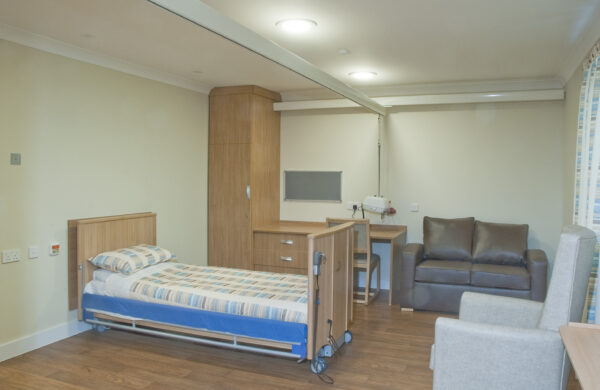
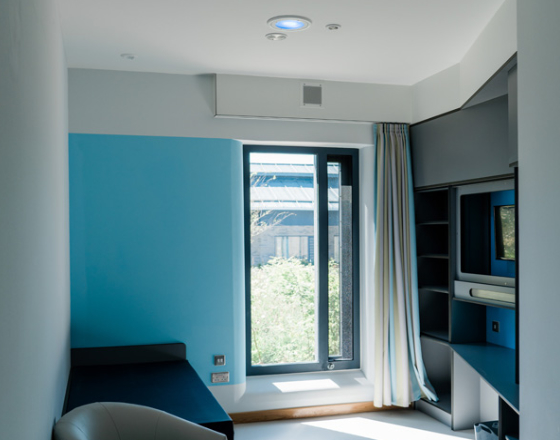
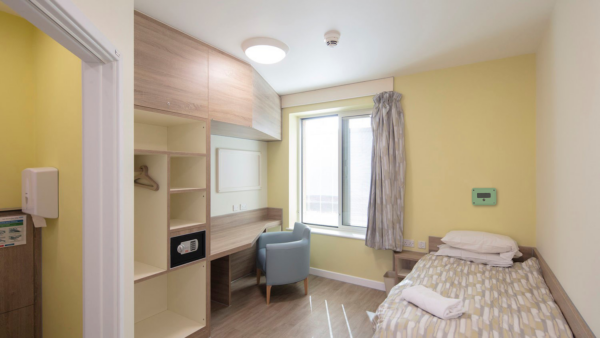
Bedrooms and en-suites may not be the primary location for treatment, but they play a vital role in a service user’s recovery journey. These spaces provide a place to rest, feel safe and enjoy privacy. Creating a comfortable and supportive environment should therefore be a key consideration in the lighting design.

Creating a Restful Environment
Lighting Design Considerations
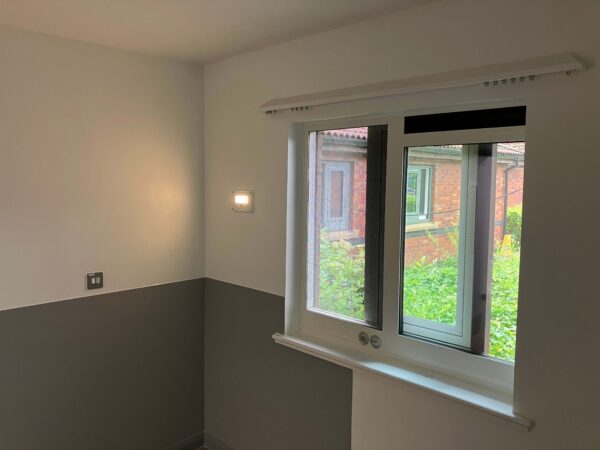
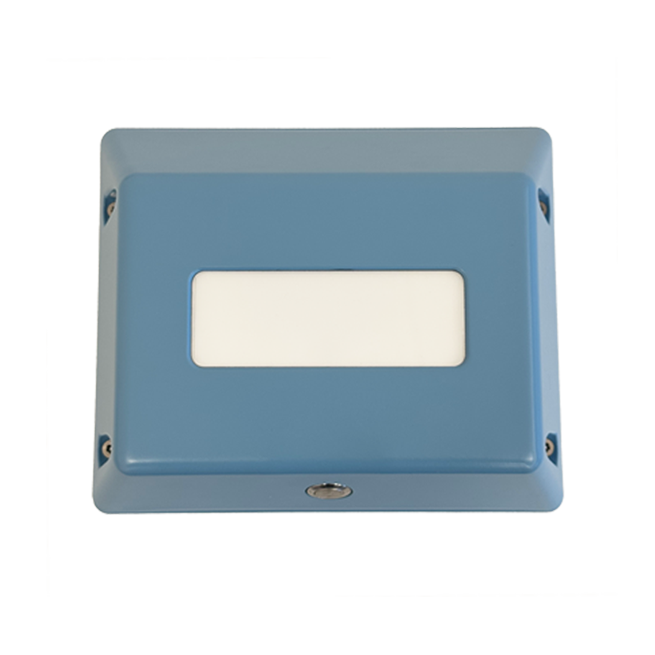
Luminaires with a soft, diffused light output can help create a more relaxing environment. Supplementing this with wall-mounted lighting can further enhance comfort and visual appeal.
Anti-Ligature and Tamper-Resistant Lighting
Luminaires should also provide high levels of impact and tamper resistance. This helps prevent interference, dismantling and potential weaponisation, while ensuring long-term reliability.
Recommended Lighting Levels
For bedroom areas, we recommend:
- 150 lux average during the day
- 50 lux at night when dimmed
Whilst service users should be able to control their main room lighting, staff should also have the ability to override lighting controls from outside the room when required.
Night-Time Observation
In many secure healthcare settings, service users may need to be observed during the night. Discreet lighting is important to support observation without disturbing sleep.
A night light should be incorporated within the over-bed luminaire and be operable from both inside and outside the bedroom. Low-glare night lighting can help maintain visual comfort while supporting staff requirements.
En-Suite Lighting Requirements
En-suite areas require additional consideration due to the presence of water. Luminaires should provide an appropriate level of ingress protection (IP rating) to ensure safety, durability and long-term performance in these environments.
Technical Support
In this type of space we recommend 150 lux average during the day dimmed to 50 lux at night. Luminaires should be specified with a soft diffused glow, supplemented by wall lights. Despite a service user requiring their own space, operational staff need to be able to control lighting within individual bedrooms from outside the room.
Service-users may need to be observed during the night and discreet lighting that does not disturb their sleep is essential. The main light should be service user controllable which staff can override from outside the room if required. A night light should be incorporated in an over bed light which can be operated inside or outside of the bedroom. Low glare night lights will ensure service user visual comfort.
In the en-suite toilet high ingress protection is required due to water presence.
For further lighting advice speak to our technical sales team on 020 8254 2022 or e-mail technicalsales@designplan.co.uk
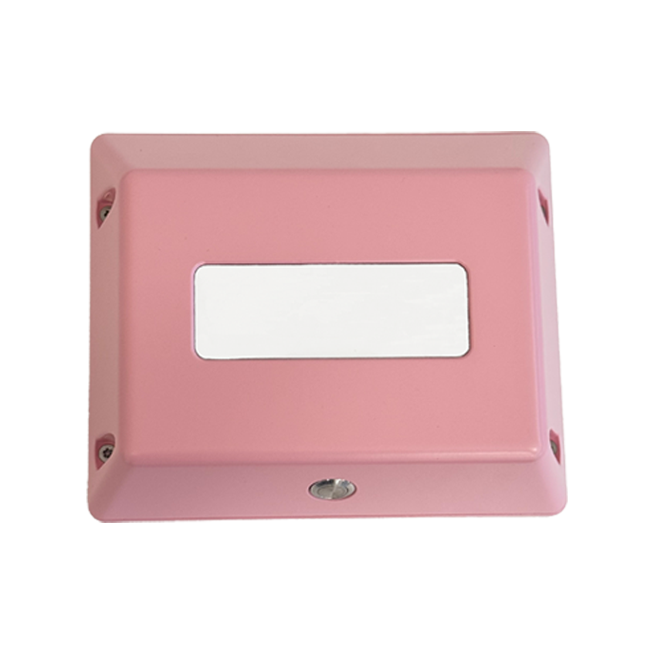
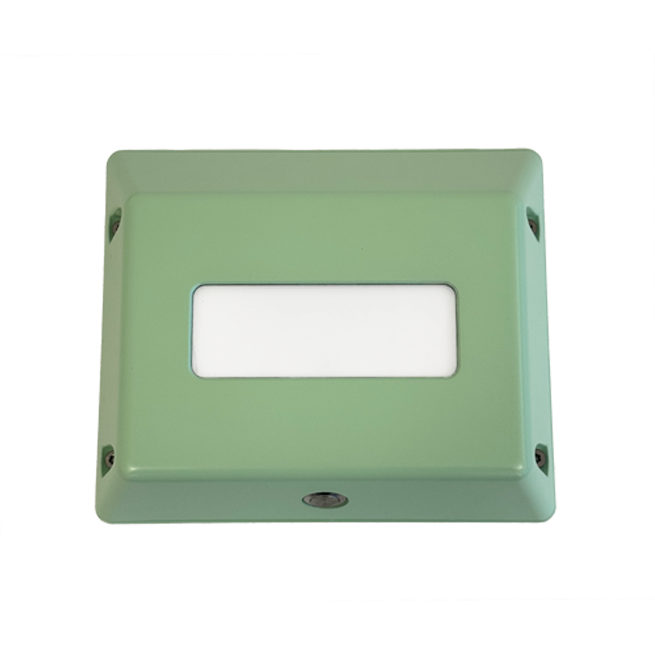
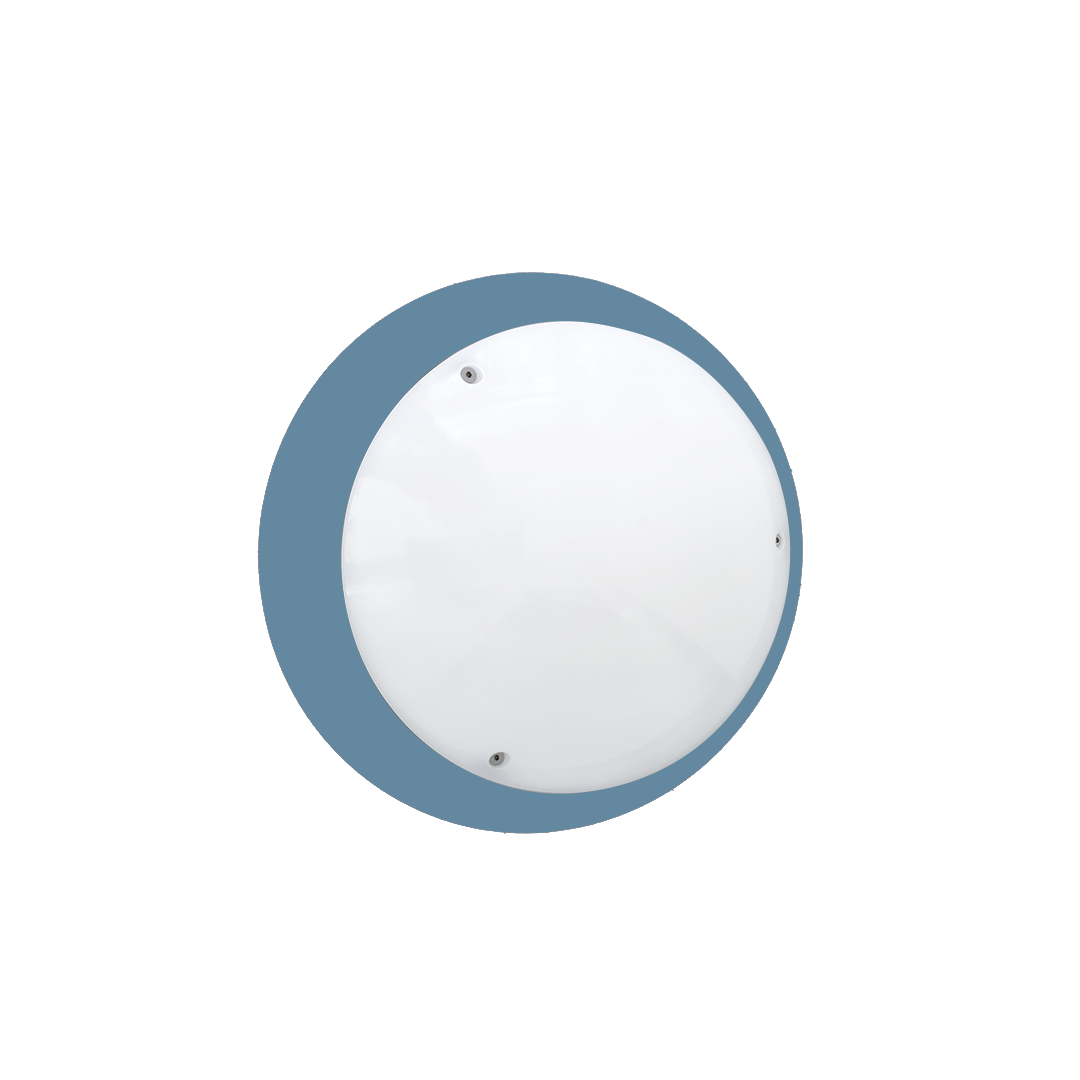
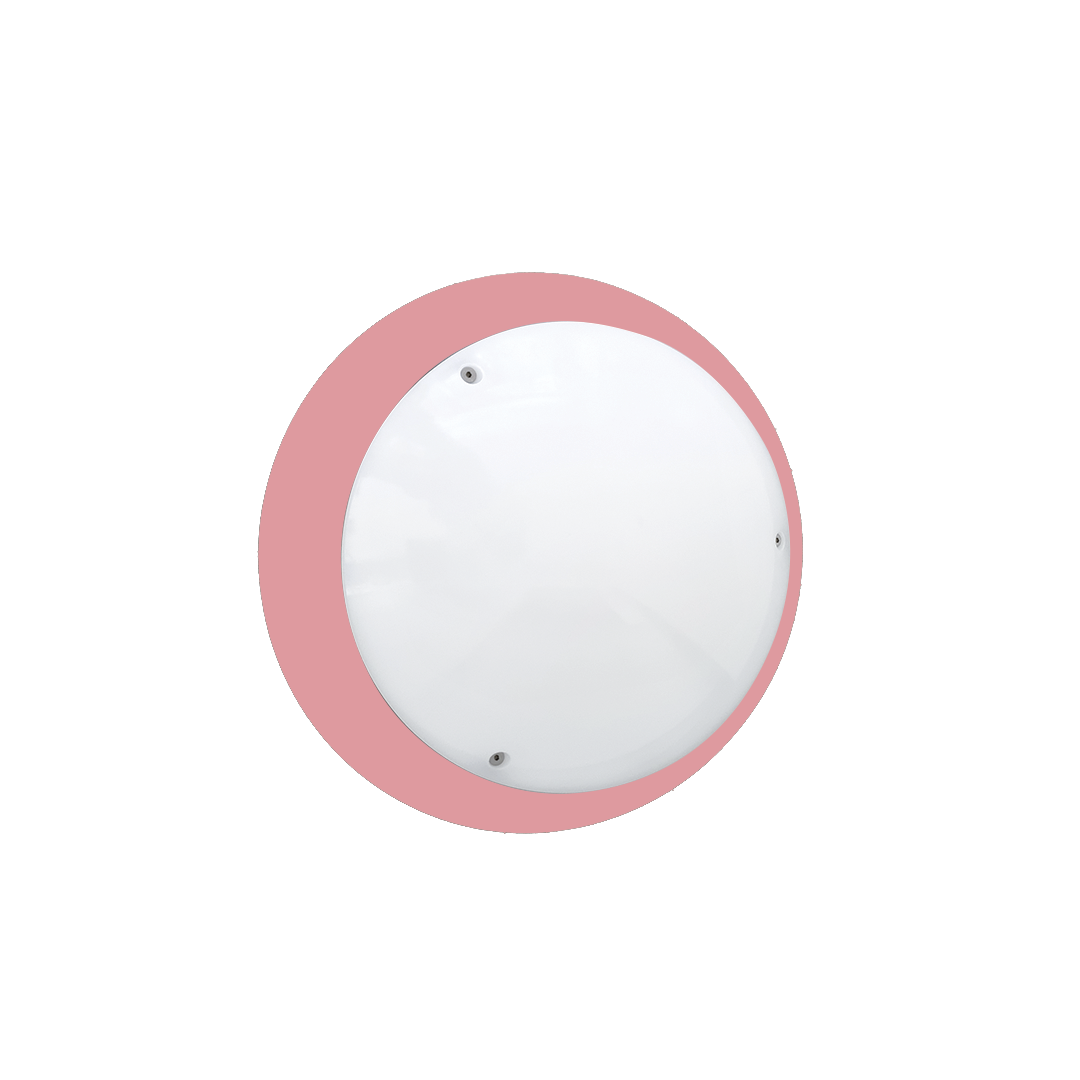
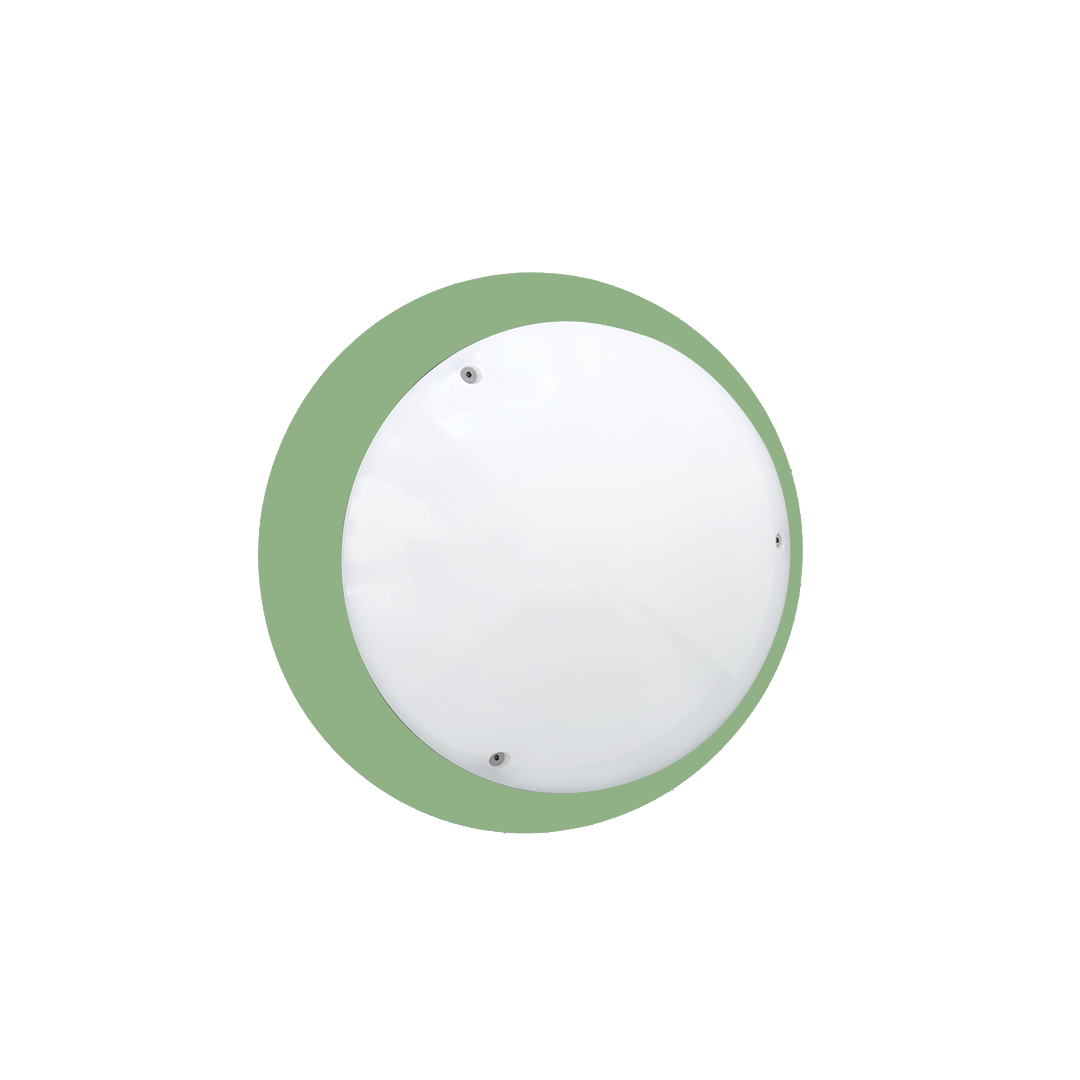
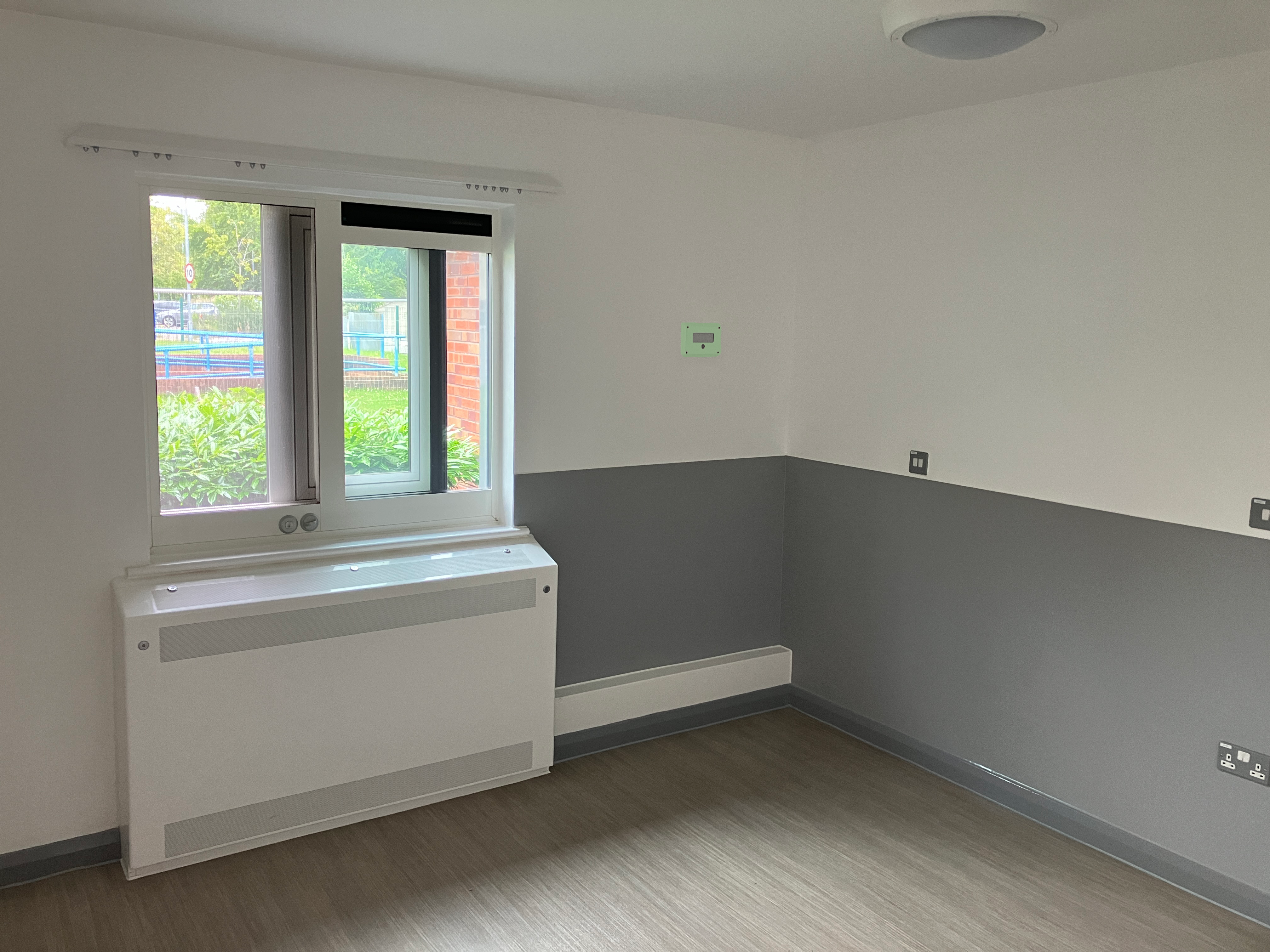
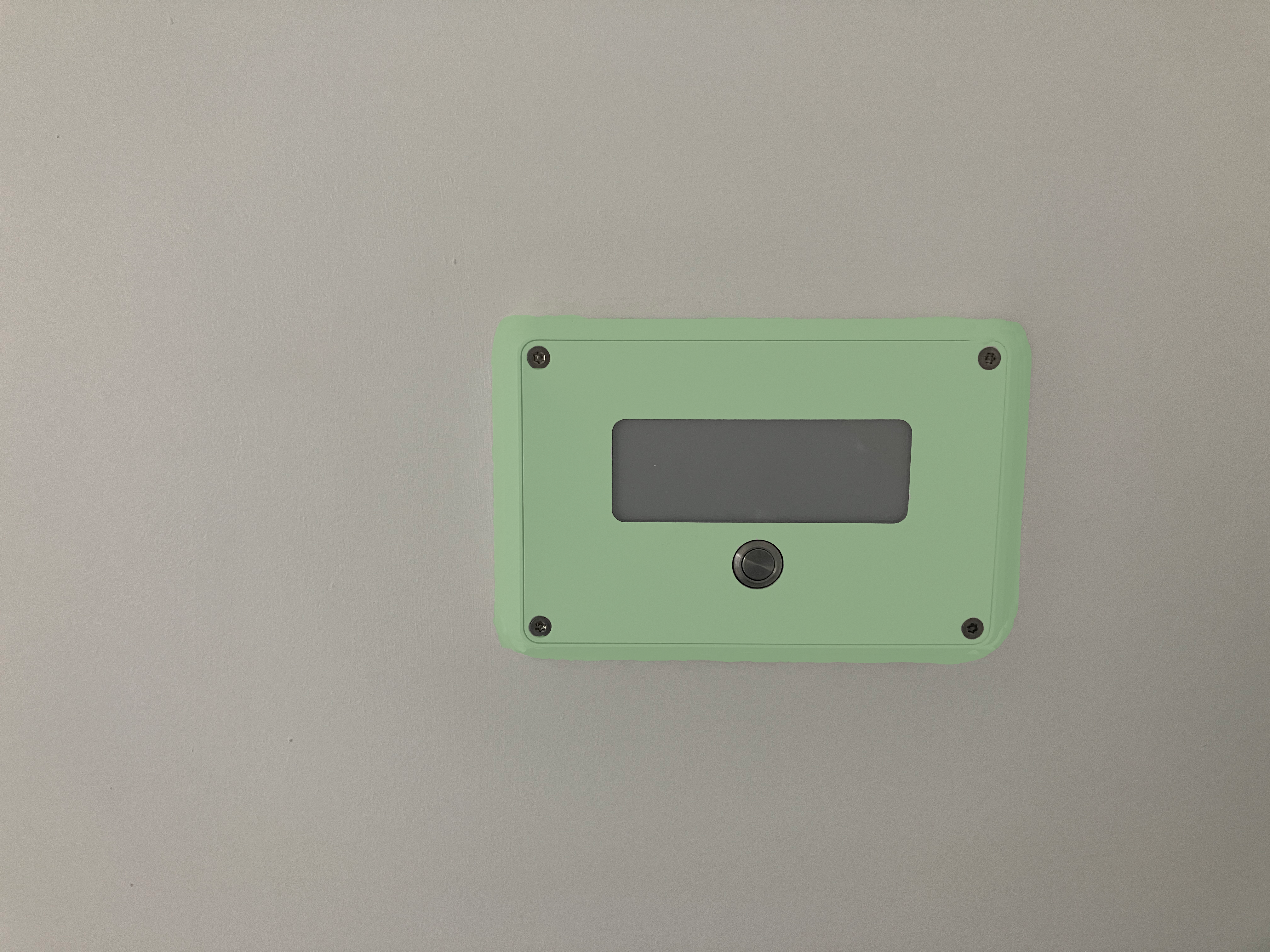
Secure Healthcare Optional Paint Colours
Please find below the secure healthcare optional colours you can choose. Please contact us on technical-sales@designplan.co.uk.
Best Practice Lighting Guide for Secure Healthcare
Our lighting guide identifies typical applications, focusing on the principles of good lighting. We examine the benefits of safety, robust construction, easy maintenance and design. To download your copy click on the button below.

Products


You can also connect with us on LinkedIn for ongoing updates.

