Robust lighting is designed for demanding environments where luminaires may be exposed to impact, vibration, tampering and heavy use. It is commonly specified for transport infrastructure, rail maintenance facilities, custodial buildings, secure healthcare environments, public realm projects and social housing developments.
What Is Robust Lighting?
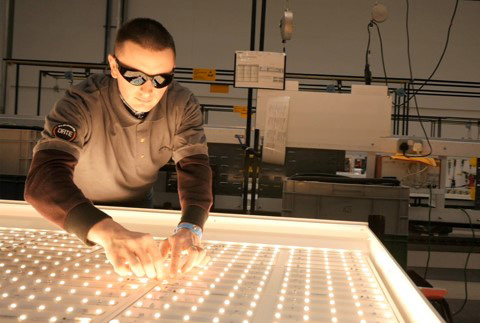
Why Robust Lighting is Important
Lighting in demanding environments faces greater challenges than standard commercial lighting.
For example, luminaires may need to withstand heavy daily use, accidental impact, vibration and harsh weather conditions. In some areas, they must also resist deliberate damage or misuse.
As a result, many organisations choose robust lighting solutions to improve reliability and reduce maintenance costs. Furthermore, modern LED technology helps lower energy use whilst supporting long-term performance.
Consequently, robust luminaires provide a practical solution for transport infrastructure, custodial facilities, secure healthcare environments, public realm projects and social housing developments.
Key Features of Robust Lighting
Impact Resistance
Robust luminaires are engineered to withstand accidental or deliberate impact, helping to maintain performance in demanding environments.
Durable Construction
High quality materials and reinforced housings help ensure long-term reliability.
Reduced Maintenance
Long life LED technology and durable construction can reduce maintenance requirements and operational disruption.
Tamper Resistance
Many robust lighting solutions incorporate secure fixings and specialist construction methods designed to discourage unauthorised access or vandalism.
Environmental Protection
High IP ratings help protect luminaires from dust, moisture and other environmental contaminants.
Where is Robust Lighting Used?
Designers and specifiers often choose robust lighting for environments that face heavy use, impact, vibration or increased security requirements. These applications require lighting solutions that deliver long-term reliability whilst reducing maintenance and operational costs.
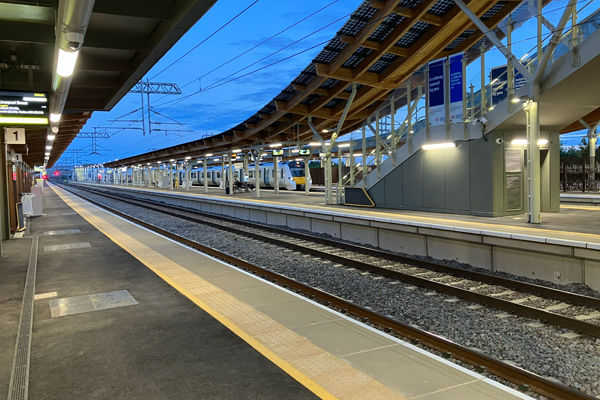
Transport Infrastructure
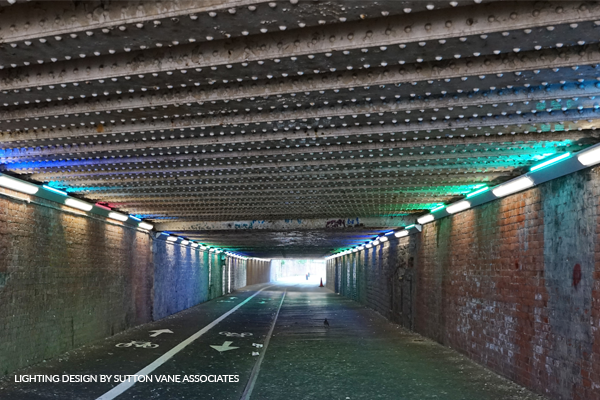
Furthermore, Transport environments place significant demands on lighting systems due to high footfall, vibration and exposure to the elements.
Therefore, lighting must be reliable and easy to maintain. Robust lighting solutions help create safe, well-lit spaces whilst reducing disruption caused by repairs or replacements.
Typical applications include:
- Railway stations
- Platforms
- Underpasses
- Tunnels
- Passenger concourses
Robust lighting helps maintain safe, well lit environments whilst reducing maintenance requirements and service disruption.
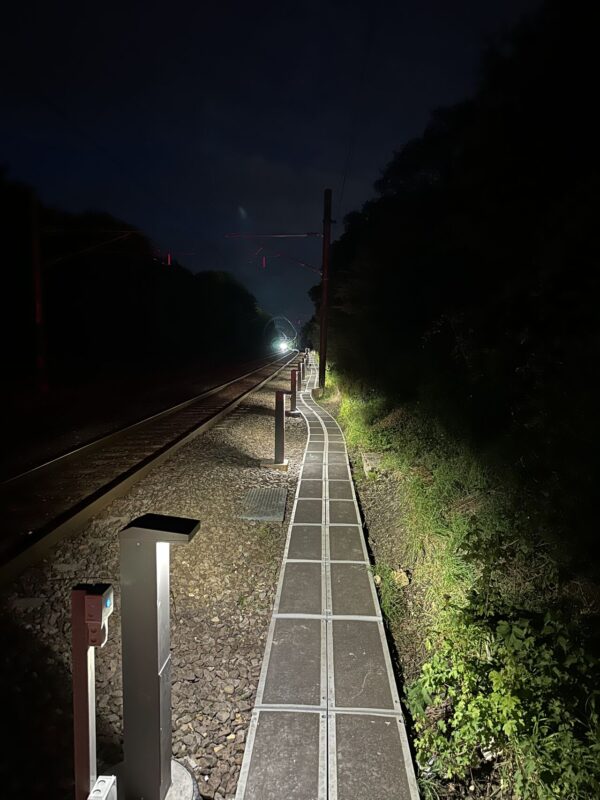
Rail Maintenance Facilities
In addition, Rail Maintenance facilities require durable lighting solutions capable of operating reliably in challenging maintenance and engineering environments. In addition, luminaires may be exposed to vibration, dust and accidental impact on a daily basis. Typical applications include:
- Maintenance depots
- Rolling stock facilities
- Inspection pit
- Sidings
Robust luminaires can provide resistance to vibration, accidental impact and demanding operating conditions commonly found within rail maintenance environments.
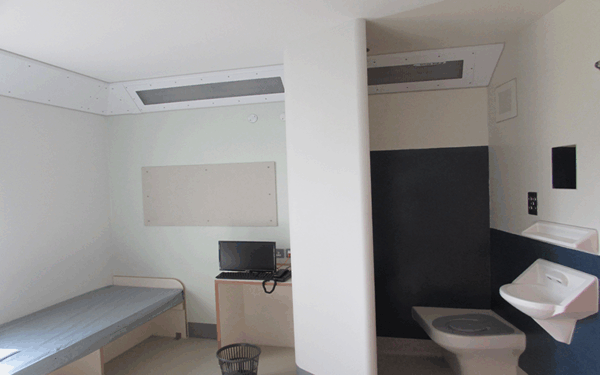
Custodial Environments
Similarly, Custodial facilities require lighting solutions capable of withstanding demanding operational conditions whilst supporting safety and security objectives. For example, luminaires may be installed in cells, circulation areas, association spaces and holding facilities. Furthermore, these fittings must continue to perform in demanding conditions.
Typical applications include:
- Cells
- Association Areas
- Circulation corridors
- Police Stations and Law Courts
- Exercise yards
- Staff areas
- Holding facilities
Robust lighting can help minimise maintenance requirements, reduce damage and support the long-term operation of custodial estates.
Secure Healthcare
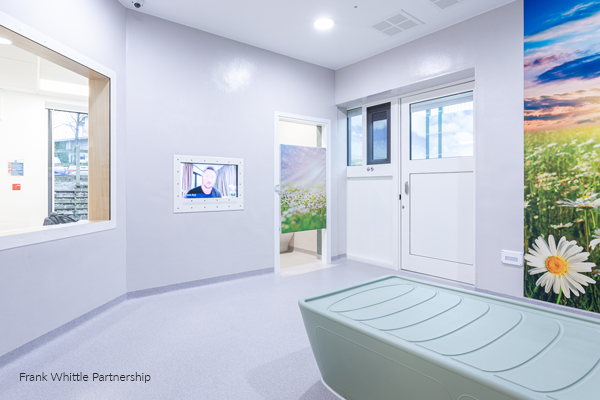
Secure healthcare facilities require lighting solutions that balance safety, durability and occupant well being. In many cases, luminaires must withstand intensive use whilst also helping to create a comfortable environment. Therefore, many secure healthcare projects use luminaires that combine robust construction with vandal resistant and ligature resistant features. As a result, facilities can improve both safety and durability.
Typical applications include:
- Mental health wards
- Psychiatric intensive care units
- Low secure units
- Medium secure units
- High secure environments
- Assessment suites
- Seclusion rooms
- Behavioural healthcare facilities
Many secure healthcare projects utilise luminaires that combine robust construction, vandal resistance and ligature-resistant design features.
Public Realm Projects
Likewise, Public realm environments require lighting solutions capable of performing reliably despite high levels of public interaction and exposure to the elements. For example, luminaires are often installed in civic spaces, pedestrian routes, public buildings and community facilities. Consequently, durability and reliability are key considerations.
Typical applications include:
- Public walkways
- Civic spaces
- Public buildings
- Community facilities
- Pedestrian routes
- Public car parks
- Urban regeneration projects
- Local authority developments
Vandal resistant lighting helps deliver long service life and lower maintenance costs in publicly accessible spaces.
Social Housing
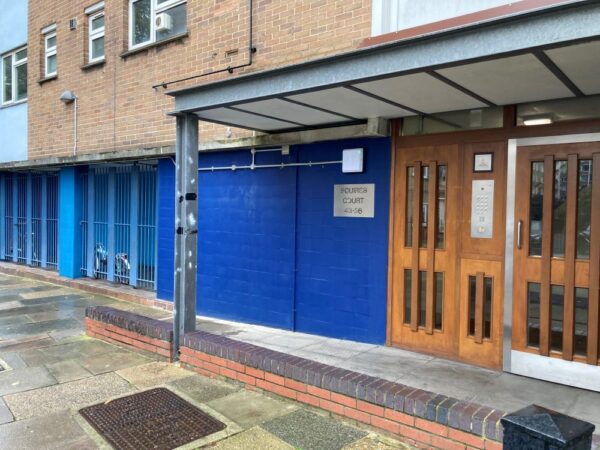
As a result, Social housing developments often require reliable, low maintenance lighting solutions that provide long-term value for housing providers and residents.
Typical applications include:
- Communal corridors
- Entrance lobbies
- Stairwells
- Multi-storey residential buildings
- Communal amenity spaces
Because of this, robust lighting is frequently chosen to improve reliability and help reduce ongoing maintenance costs.



What IK and IP Ratings are Recommended for Robust Lighting?
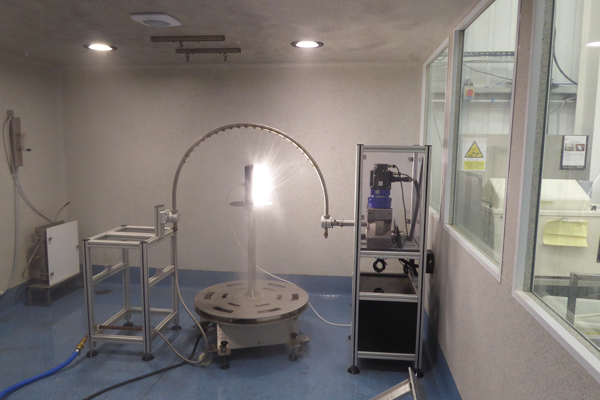
When specifying robust lighting, it is important to consider both IK and IP ratings.
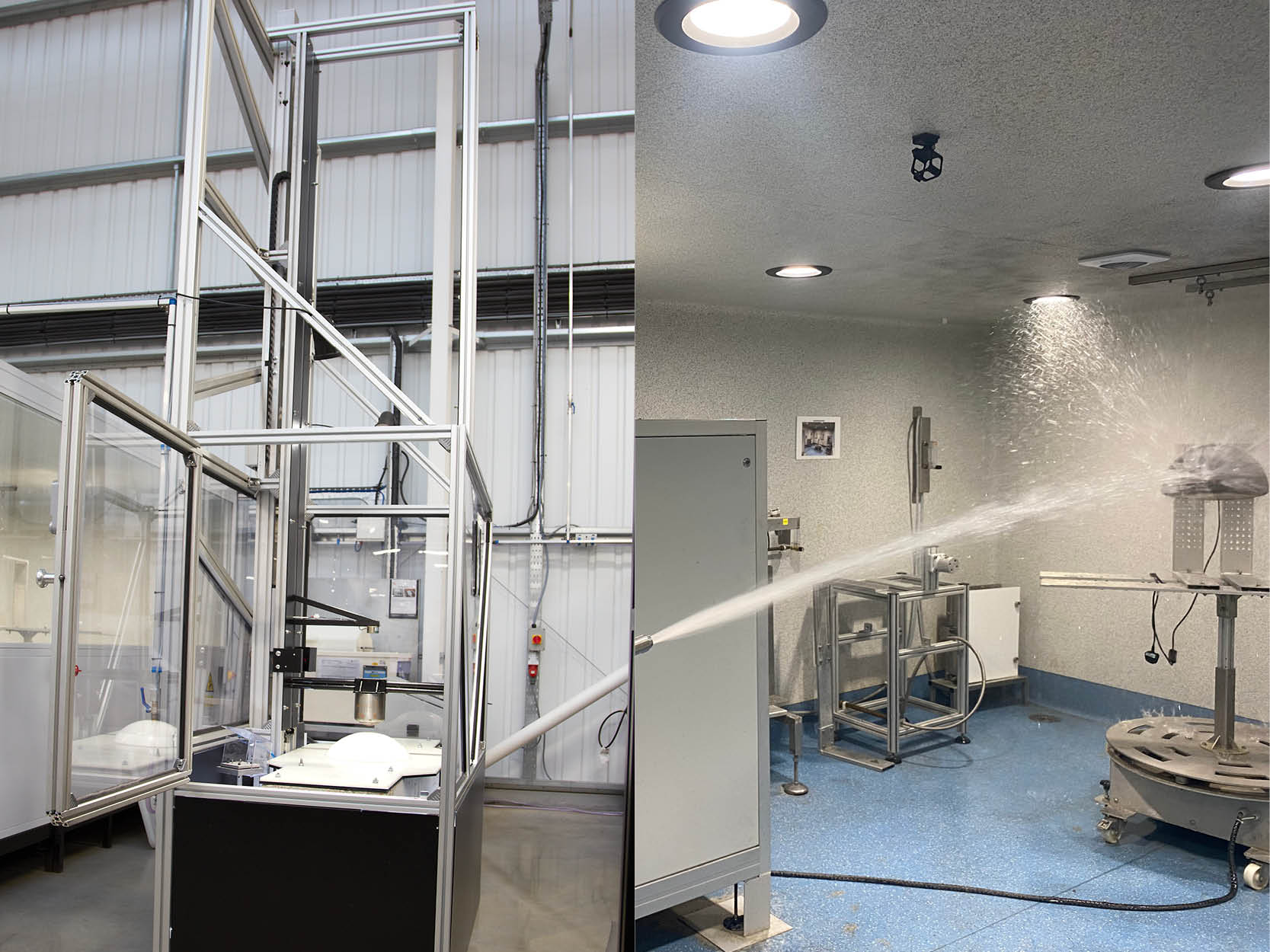
An IK rating measures resistance to impact, whilst an IP rating measures protection against dust and moisture. Together, these ratings help determine whether a luminaire is suitable for its intended environment.
For demanding locations such as rail depots, custodial facilities and secure healthcare settings, higher levels of protection are often required. Therefore, choosing the correct IK and IP rating helps improve reliability, reduce maintenance and extend product life.
Robust Lighting vs Standard Commercial Lighting
Standard commercial lighting is designed for typical indoor environments such as offices and retail spaces. In contrast, robust lighting is engineered for demanding applications where luminaires may be exposed to impact, vibration or heavy use. Its durable construction helps improve reliability, reduce maintenance requirements and extend service life.
What is the Difference Between Robust and Vandal-Resistant Lighting?
Durable lighting is designed for long term durability and reliable performance in challenging environments. Vandal resistant lighting specifically focuses on protecting luminaires from deliberate damage and tampering. Many lighting solutions used in transport, custodial and public realm environments combine both robust and vandal-resistant features.
What is the Difference Between Robust and Ligature-Resistant Lighting?
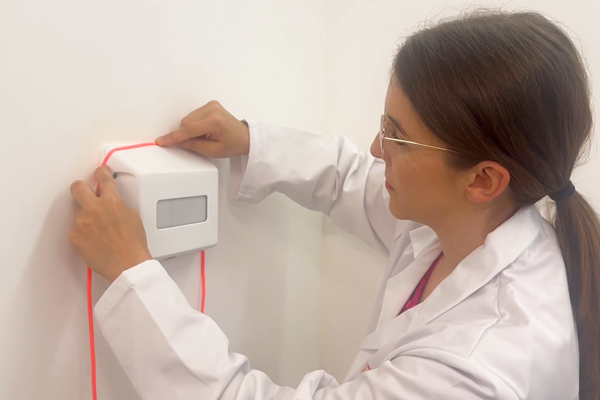
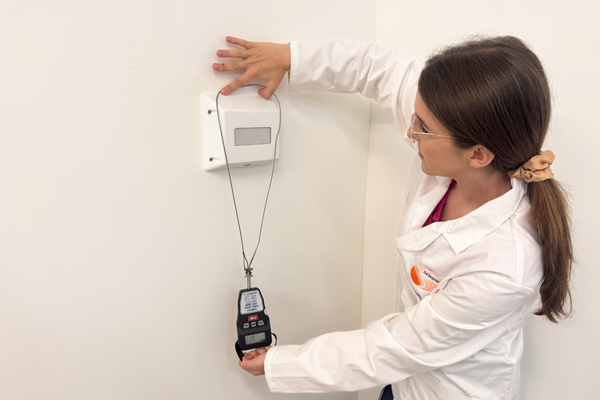
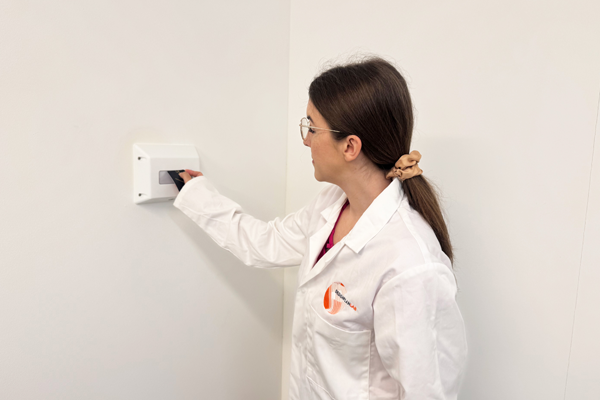
Robust lighting withstand demanding conditions and provide long lasting performance. Ligature resistant lighting is designed to minimise potential attachment points in secure healthcare and mental health environments. In many specialist applications, luminaires combine robust construction with ligature resistant design to support both durability and safety.
Frequently Asked Questions
What is robust lighting?
Robust lighting is lighting specifically designed to withstand impact, vibration, tampering and challenging environments whilst maintaining reliable performance.
What makes a light fitting robust?
Features such as reinforced housings, impact-resistant diffusers, secure fixings and long-life LED components contribute to a luminaire’s robustness.
Is robust lighting vandal resistant?
Some robust lighting products are designed to be vandal-resistant, although the two terms are not always interchangeable.
What IK rating should robust lighting have?
This depends on the application, although IK09 and IK10 are frequently chosen where high durability is required.


