Skip to content

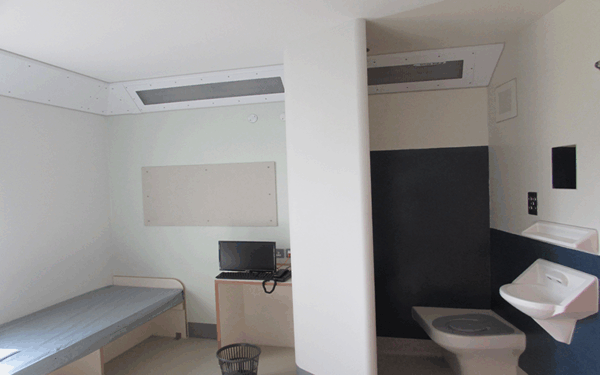
Hard-setting mastic, commonly referred to as anti-pick mastic, is widely used in secure health facilities, secure hospitals, prisons and custody suites. The purpose of the material is to create a durable seal around fixtures and fittings, reducing gaps that could otherwise be used for tampering or ligature attachment.

Although anti-pick mastic remains the term most commonly searched for online, hard-setting mastic is now a more accurate description of the product. When used alongside ligature-resistant lighting, it supports a safer, more secure installation while maintaining a neat and professional finish.

Antipick mastic

Why Is Hard-Setting (Anti-Pick) Mastic Used Around Lighting?

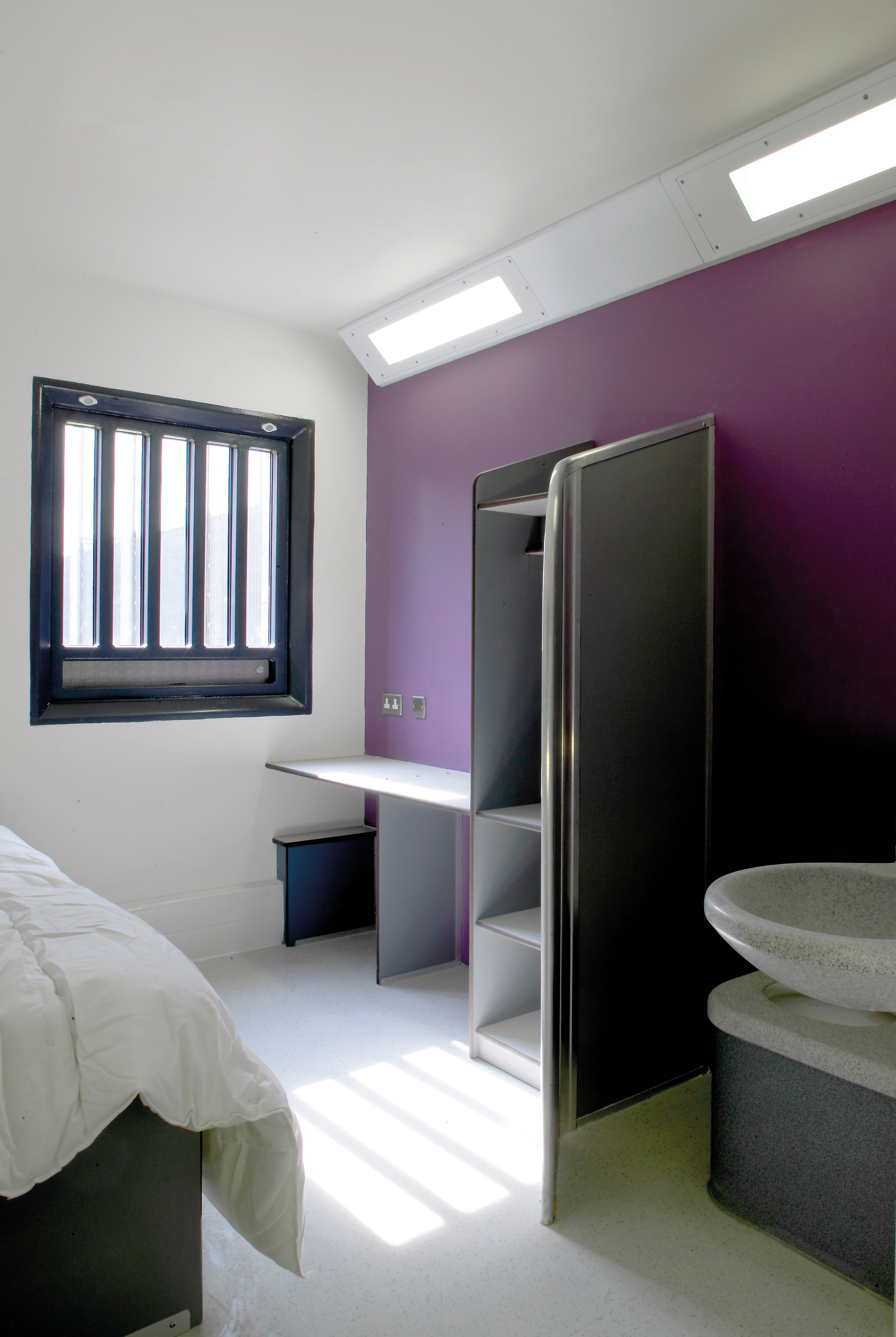
Even the best ligature-resistant luminaires can leave small gaps between the fitting and the wall or ceiling substrate. Hard-setting mastic is applied around the perimeter of the fitting to minimise these gaps and support wider risk-reduction strategies. It is commonly specified within secure healthcare and custodial environments where reducing opportunities for tampering is an important design consideration.

The Importance of Maintenance Access

Safety is only one part of a successful lighting installation. Lighting systems require inspection, cleaning, repairs and upgrades throughout their service life. Some installations require the sealant to be removed and replaced during maintenance.

However, luminaires designed with a separate mounting bezel can often be serviced without disturbing the hard-setting mastic seal, helping to reduce maintenance costs, minimise disruption and protect the integrity of the installation.

Balancing Safety and Long-Term Performance

When specifying ligature-resistant lighting, it is important to consider the entire lifecycle of the product. A well-designed installation should combine a robust luminaire design with the appropriate use of hard-setting mastic. This approach helps maintain both safety and maintainability, providing a more sustainable solution for estates teams, consultants and contractors over the long term.

Industry Terminology: Hard-Setting Mastic and Anti-Pick Mastic

The terms hard-setting mastic and anti-pick mastic are often used interchangeably within secure healthcare and custodial environments. While anti-pick mastic remains the most common industry term, hard-setting mastic more accurately describes the material and how it performs once cured.

Regardless of the terminology used, both phrases typically refer to the same specialist sealant used to create a secure, durable finish around fixtures and fittings in high-risk environments. As a result, hard-setting mastic is frequently specified alongside ligature-resistant lighting as part of a wider approach to reducing risk in secure health facilities, secure hospitals, prisons and custody suites.

Frequently Asked Questions

What is anti-pick mastic?

Anti-pick mastic is the commonly used industry term for a hard-setting sealant used to reduce gaps around fixtures and fittings.

Does hard-setting mastic make a luminaire ligature-resistant?

No. The luminaire design determines its ligature-resistant performance. The sealant supports the overall installation by reducing gaps around the fitting.

What types of environments use hard-setting mastic?

Yes. Mental health facilities, secure hospitals, prisons and custody suites commonly use hard-setting mastic.

Why is maintainability important?

Lighting systems require routine inspections, repairs and upgrades. Easy access helps reduce maintenance time, lower costs and support the long-term performance of the installation.

Best Practice Lighting Guide

Our Custodial lighting guide highlights common custodial applications, emphasising principles of effective lighting. We explore the advantages of sturdy construction, adherence to standards, and tailored design needs, such as anti-ligature luminaires for “Ligature‑resistant” cell usage. Download your copy by clicking the button below.

Custodial Lighting Playbook

Best Practice Lighting Guide

Our secure health lighting guide identifies typical applications, focusing on the principles of good lighting. We examine the benefits of safety,  robust construction,  easy maintenance and design. To download your copy click on the button below.

You can also connect with us on LinkedIn and Instagram for ongoing updates.

;