Skip to content

The Complete Guide for Secure Healthcare and Custodial Environments

Anti ligature lighting, also known as ligature-resistant lighting, is designed to reduce the risk of self-harm in high-risk environments.

It is widely used in:

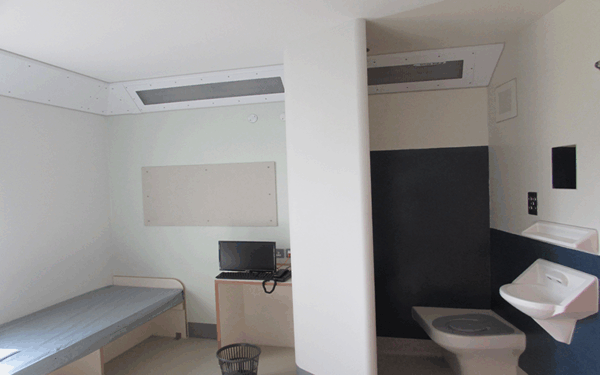
  • Secure healthcare lighting environments, including mental health wards and hospitals
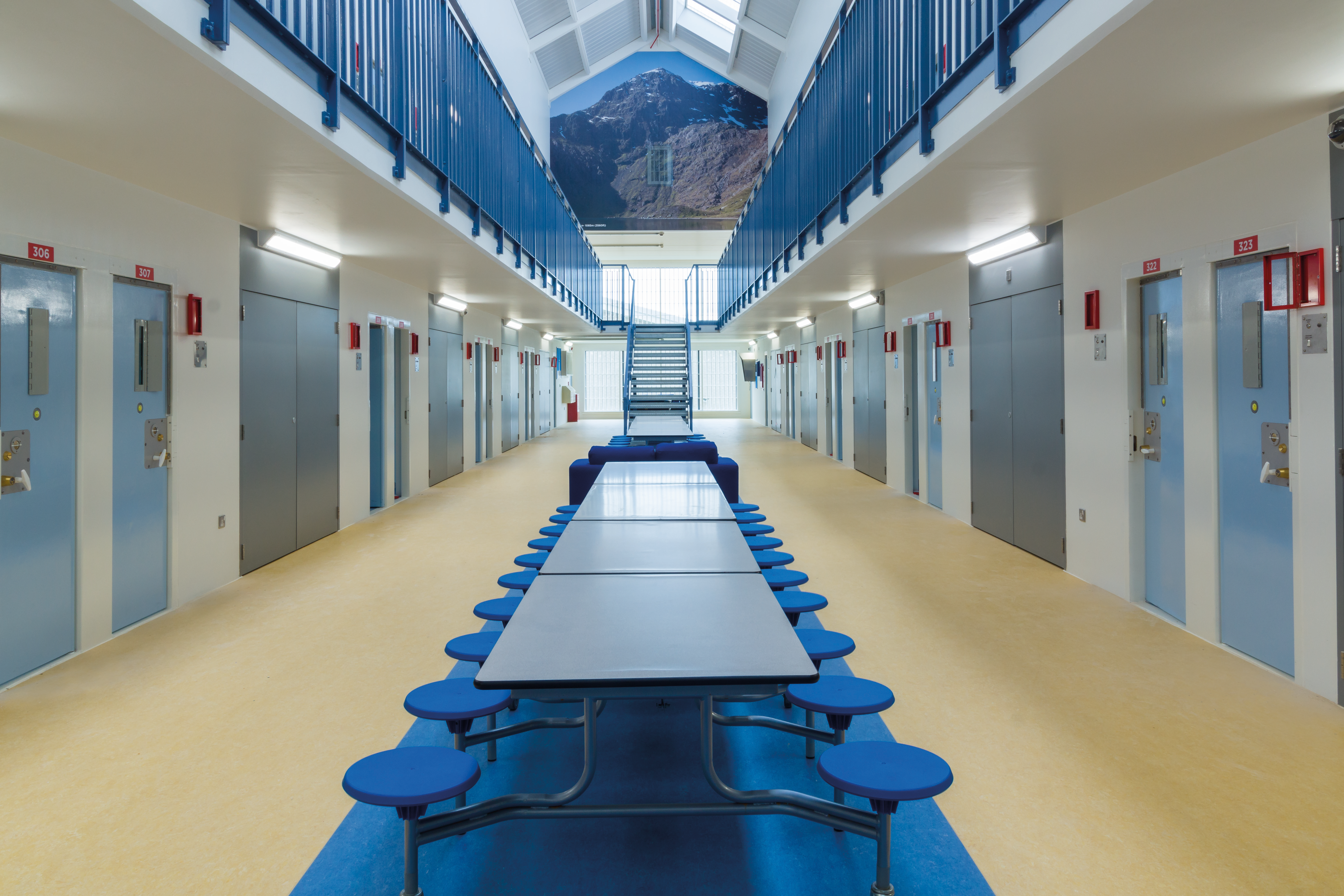
  • Custodial lighting settings, such as prisons and police custody suites

While the term anti ligature lighting is commonly used, the correct technical term is ligature-resistant lighting. Both refer to the same goal, minimising ligature attachment points through design.

This guide explains what ligature-resistant lighting is, where it is used, how it is tested, and how to specify it.
What Is Anti Ligature Lighting?

Anti ligature lighting refers to lighting that is specifically designed to reduce the risk of ligature attachment.

More accurately known as ligature-resistant lighting, these luminaires are engineered to:

  • Minimise attachment points
  • Prevent tampering
  • Improve safety in high-risk environments

This makes them essential in both:

What is Ligature-Resistant Lighting?

Ligature-resistant lighting is designed to reduce potential attachment points through intelligent engineering and robust design.

Key features include:

  • Flush or sloped surfaces to prevent anchoring
  • Minimal gaps and apertures
  • Tamper-proof fixings
  • High-impact, durable construction
  • Secure mounting systems

These features ensure lighting performs effectively in both secure healthcare lighting environments and custodial lighting systems.

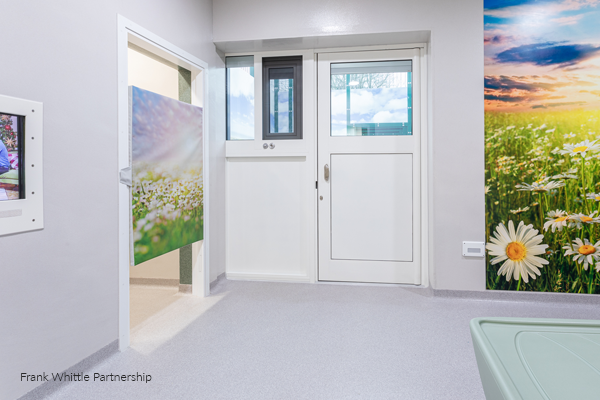
Anti Ligature Lighting for Mental Health and Secure Healthcare

In secure healthcare environments, lighting must balance safety, wellbeing, and comfort.

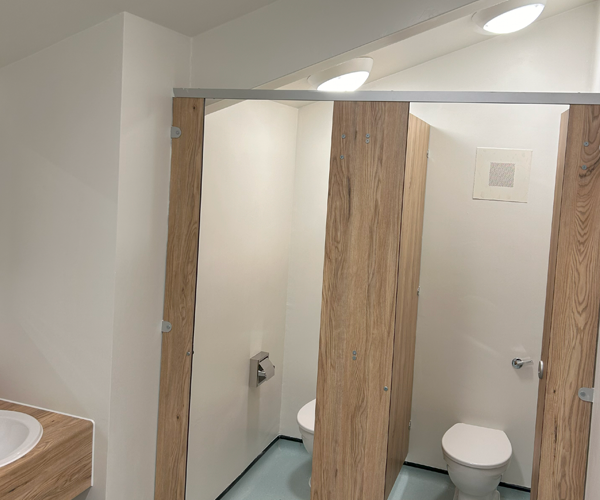
Common applications:

Important considerations:

  • Low-glare lighting to create calming spaces
  • Smooth, hygienic surfaces for infection control
  • IP-rated luminaires for bathroom use
  • Discreet, non-institutional design

Effective secure healthcare lighting design helps create safer and more therapeutic spaces.

Ligature-Resistant Lighting for Custodial Environments

Custodial lighting and prison lighting must meet demanding performance and safety requirements.

Typical applications:

Key performance requirements:

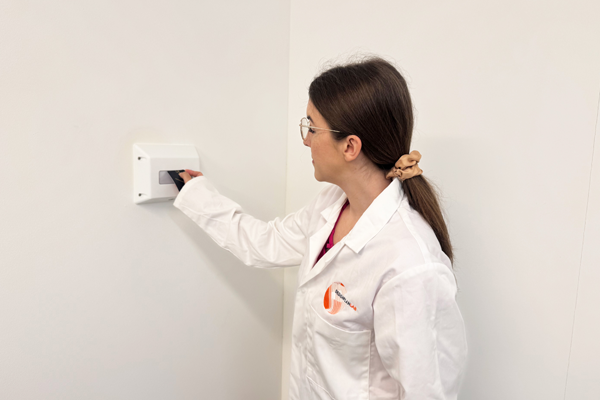
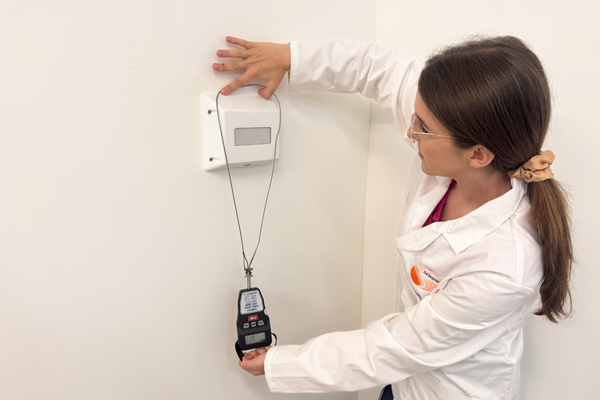
How Ligature-Resistant Lighting is Tested

Testing plays a vital role in ensuring lighting performs safely in both secure healthcare lighting and custodial lighting environments.

Testing focuses on:

  • Eliminating potential ligature points
  • Reducing gaps and openings
  • Verifying strength and durability
  • Simulating misuse scenarios

Why this matters:

Testing helps ensure lighting performs reliably in high-risk environments, supporting safer spaces for both occupants and staff.

Frequently Asked Questions

What is the difference between anti ligature and ligature resistant lighting?

There is no functional difference, but ligature resistant lighting is the correct technical term, while anti ligature lighting is more commonly searched online.

What is the best anti ligature lighting for mental health wards?

Lighting that combines ligature resistance with low-glare, calming illumination.
Learn more: Our Products – Designplan Lighting

Can anti ligature lighting be used in bathrooms?

Yes. Anti ligature bathroom lighting is widely used in secure healthcare settings and typically includes IP-rated protection.

What lighting is used in custodial settings?

Ligature-resistant, vandal resistant lighting designed for durability and security.
See examples: Our Products – Designplan Lighting

How is ligature resistant lighting tested?

Through specialised testing processes that assess durability, attachment risks, and real-world misuse scenarios.
Read more: Ligature Resistance Testing – Designplan Lighting

You can also connect with us on LinkedIn and Instagram for ongoing updates.

;