
Emergency lighting is a vital safety feature in social housing, helping residents evacuate safely during a power failure while ensuring landlords meet their legal obligations. From communal corridors to stairwells and escape routes, systems must be reliable, compliant and easy to maintain.
Why Emergency Lighting Matters in Social Housing
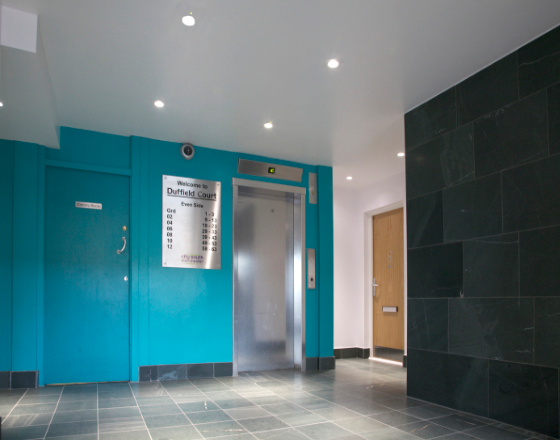
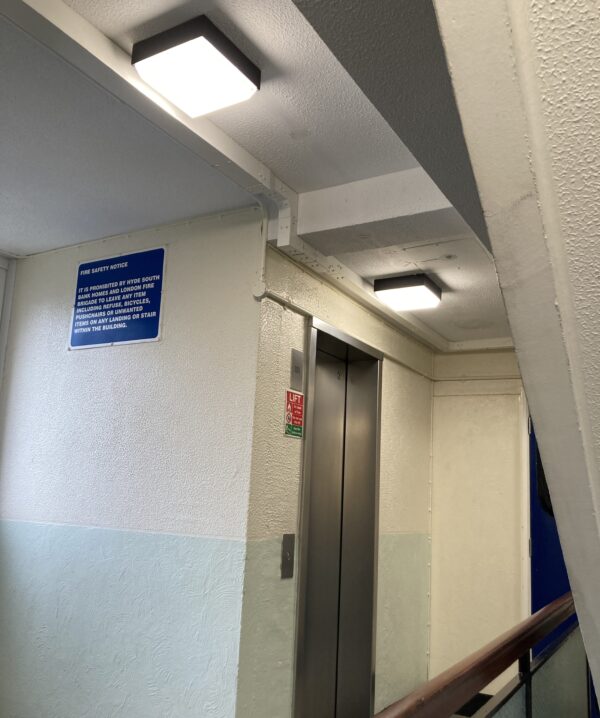
Emergency lighting ensures escape routes remain illuminated if the mains supply fails, supporting calm and safe evacuation. This is especially important in social housing, where buildings often include:
- Multiple occupants
- Vulnerable residents
- Complex or multi‑storey escape routes
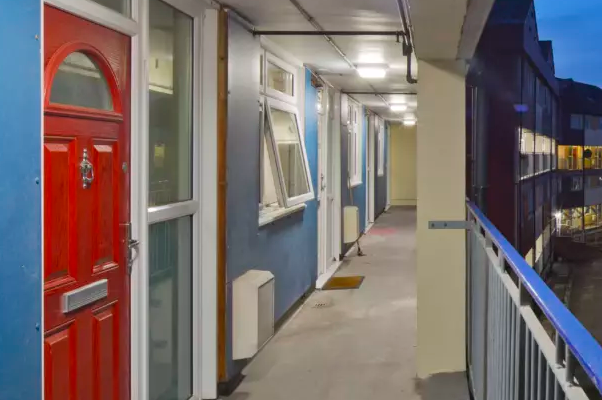
Emergency lighting is typically required in communal areas such as corridors, stairwells, lobbies and sheltered housing schemes, providing both illumination and clear wayfinding.
Compliance and Legal Responsibilities
Emergency lighting must meet UK Building Regulations and standards such as BS 5266‑1, with responsibility resting on the Responsible Person under the Regulatory Reform (Fire Safety) Order 2005.
This includes ensuring:
- Systems are correctly installed
- Monthly and annual testing is completed
- Results and remedial actions are recorded
Reliable emergency lighting reduces risk and helps housing providers remain compliant throughout the building’s life cycle.
Designing for Durability and Low Maintenance
Social housing environments demand emergency lighting that is robust and built to last. Good design considers:
- Clear coverage of all escape routes
- Consistent light output in emergency mode
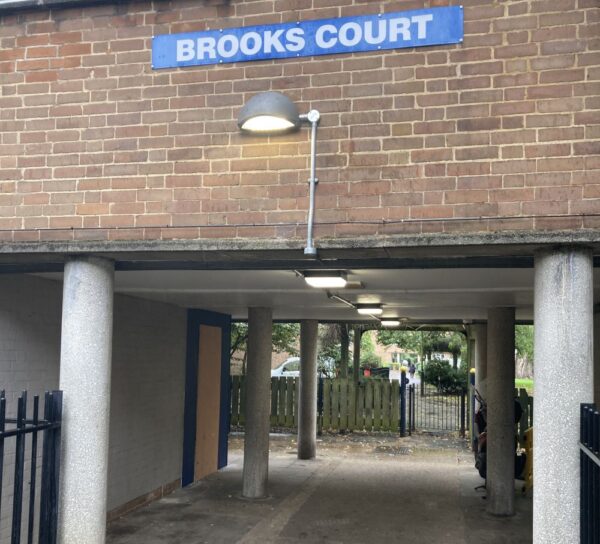
- Durable luminaires for high‑traffic communal areas
Selecting emergency versions of proven lighting products helps ensure long‑term reliability and reduced maintenance intervention.
Simplifying Testing and Maintenance
Emergency lighting requires regular testing, which can be time‑consuming across large housing portfolios.
To reduce disruption, many providers now specify:
- Self‑test emergency luminaires, with clear LED status indicators
- Automated testing systems, which schedule tests, log results and generate compliance reports
These solutions cut maintenance costs, minimise resident disruption and simplify compliance management.
Upgrading Emergency Lighting with LiFePO₄ Technology
Modern emergency lighting upgrades increasingly use Lithium Iron Phosphate (LiFePO₄) batteries, replacing older NiCd and NiMH technologies.
Key benefits include:
- Longer battery life
- Very low energy consumption
- Fewer maintenance visits
- Improved safety and sustainability
For social housing providers, LiFePO₄ technology supports lower running costs and long‑term performance.
A Smarter Approach to Resident Safety
Emergency lighting is more than a compliance requirement, it’s an investment in resident safety, asset protection and operational efficiency.
By combining robust design, automated testing and energy‑efficient upgrades, social housing providers can deliver safer buildings with reduced maintenance burden and improved sustainability.
Emergency Lighting For Challenging Environments CIBSE Accredited CPD
We offer CIBSE-accredited CPD seminars on emergency lighting, covering compliance, system types, BS5266-1:2025 updates, and best practices. Case studies highlight applications in housing, custodial, healthcare, and transport.


